
I am old enough now to have witnessed one Presidential assassination and three attempts. We need to stop pretending that these are rare and random. Since President Kennedy’s assassination in 1963, there have been three more attempts, all aimed at Republican Presidents.
When I was growing up, the only assassination I had ever heard of was President Lincoln, and it was so distant that it was relegated to history books. Many believed it was an aberration in our Country’s short history, but four U.S. Presidents have been assassinated, and there have been five failed attempts. Lincoln’s assassination was most often taught in school, but he was only one of several.
It All Changed in the 1960s
On November 22, 1963, I was in history class in high school and needed to go to the principal’s office to pick up some papers for our teacher. When I got there, there seemed to be a great commotion. Once I learned President Kennedy had been shot in Dallas, I immediately returned to my class to announce what had happened. At that point, we thought he had been shot, not killed. Within a short period, the sad news of his death spread, and there was great sadness throughout the school. At sixteen, this news seemed surreal.
A little study tells us that since President Kennedy’s assassination, the attempts have become much more frequent. We tend to think the vitriol generated by social and mainstream media as a new phenomenon, but there have been influences from the media and the vilification of opponents throughout history. What is different is the speed of communication and widespread knowledge of fringe elements in our society. Social media provides a platform for people with shared interests but also a platform for those who seek to destroy us.
In the 1960s, the unpopularity of the Vietnam War gave radicals a rallying point and touched off what I consider an unprecedented era of polarization not seen since the lead-up to the Civil War in 1861.
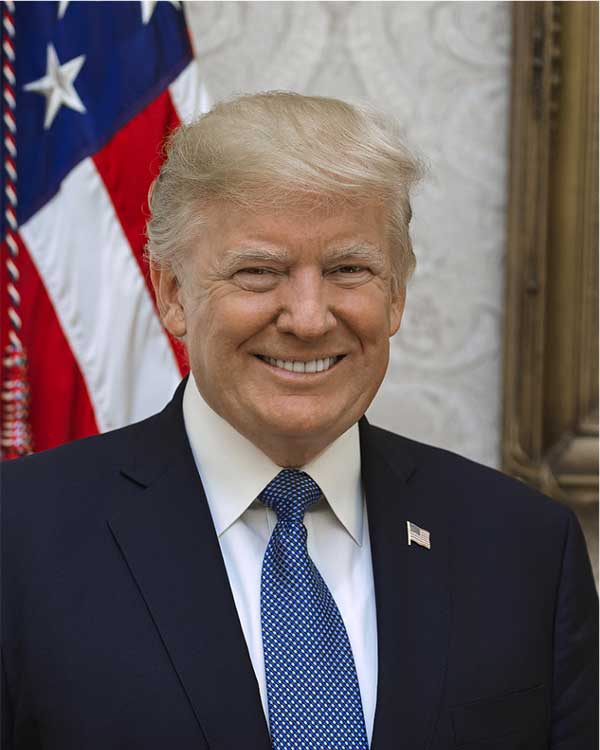
President Donald J. Trump July 13, 2024
Republican, 45th President 2016-2020
President Trump was in Pennsylvania for a campaign rally when a gunman made an assassination attempt with a rifle from roughly 130 yards away. Fortunately, the shooter all but missed, and the President narrowly escaped death by inches. Little more is known as of this writing.
The vivid picture that sticks in my mind is President Trump pumping his fist and imploring his supporters to “Fight!” meaning to fight on in this battle for our nation’s soul.
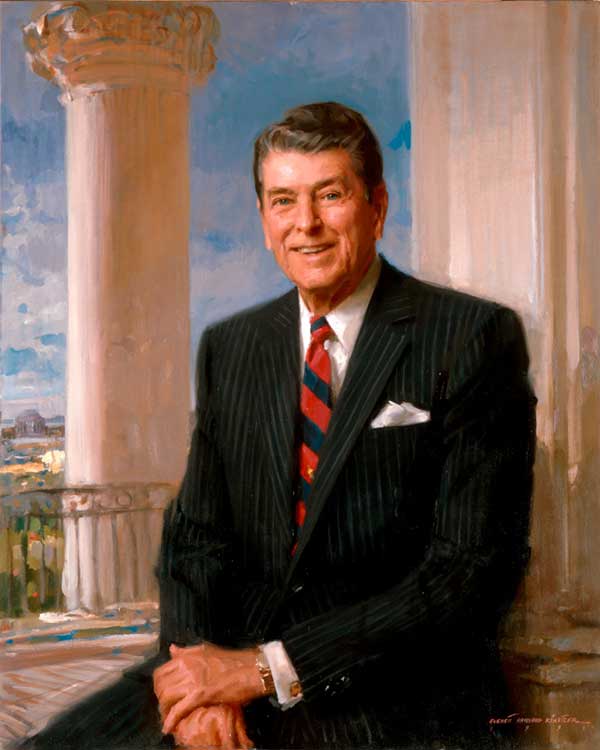
President Ronald Reagan March 30, 1981
Republican, 40th President 1981-1989
John Hinkley shot President Reagan as he and the Secret Service walked to the Presidential limousine after a speech at the Washington Hilton. The bullet ricocheted off the Presidential limousine, broke a rib, and punctured a lung. He was seriously injured and believed to be close to death when he was hospitalized. He survived the incident and went on to one of the most memorable and successful Presidencies.
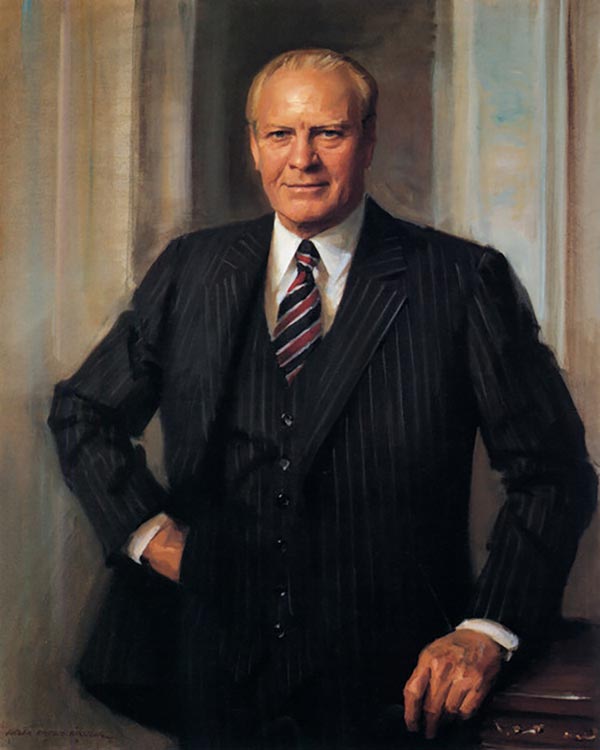
President Gerald R. Ford September 22, 1975
Republican, 38th President 1974-1977
President Ford survived an attempted assassination by Lynette “Squeaky” Fromme in Sacramento, California. She was a devoted member of the cult headed by psychopath Charles Manson. Her concern with President Ford was his environmental pollution stand. She aimed a pistol at President Ford from a very short distance, and her lack of firearm skills saved him as she had not chambered a round before attempting to fire.
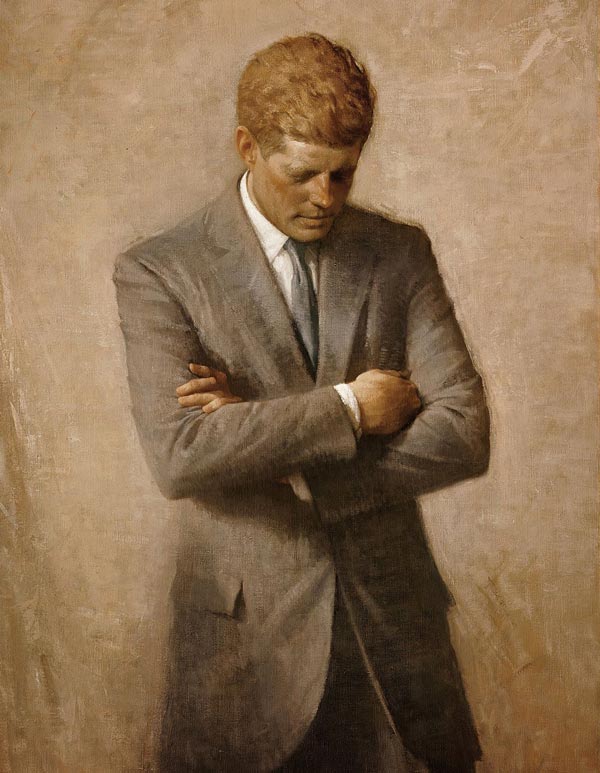
President John F. Kennedy November 22, 1963
Democrat, 35th President 1961-1963
President Kennedy’s assassination is so well documented that we only need a brief description here. His assassination is also still a source of speculation and conspiracy, primarily because the complete investigation information has not been released. Robert F. Kennedy Jr.’s assertions concerning a government coverup of President Kennedy’s and Robert F. Kennedy’s assassinations continue to stoke the fires of controversy.
President Kennedy was shot and killed on November 22, 1963, in Dallas, Texas, by Lee Harvey Oswald. His wounds were immediately recognized as fatal
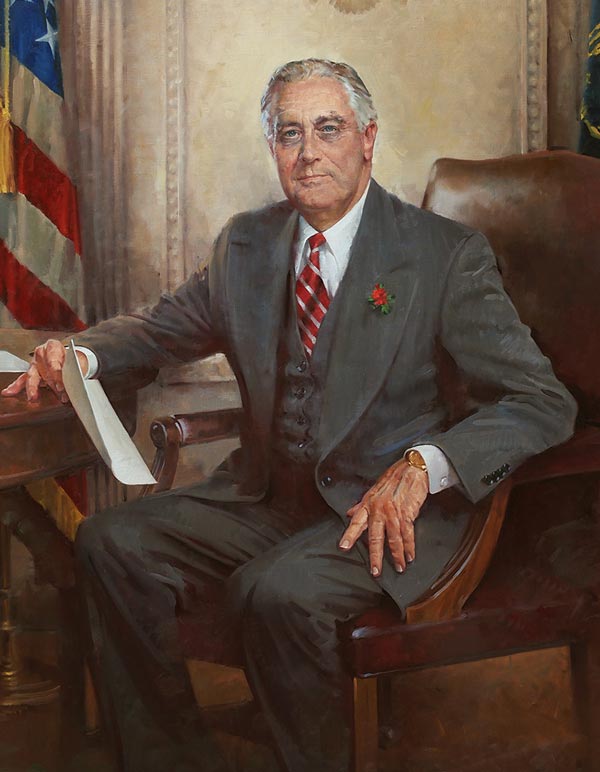
President Franklin D. Roosevelt February 15, 1933
Democrat, 32nd President 1933-1945
Just seventeen days before the scheduled inauguration of President Franklin D. Roosevelt, he was speaking in Miami, Florida, when he was attacked by Giuseppe Zangara. Zangara fired five shots at the President-elect. All five shots missed Roosevelt, but one killed Anton Cermak, the Mayor of Chicago. The shots fired injured five other attendees.
FDR is widely recognized for his leadership during World War II and help with recovery from the Great Depression.
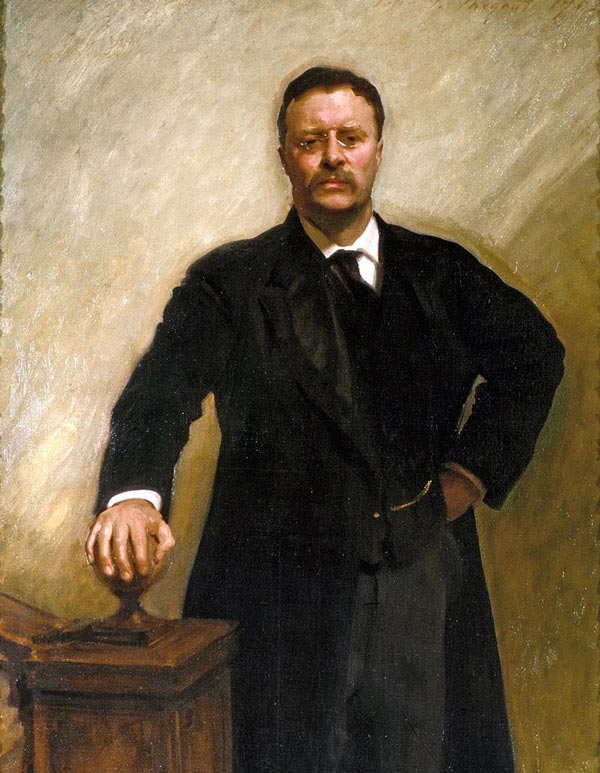
President Theodore Roosevelt October 14, 1912
Republican, 26th President 1901-1909
Theodore “Teddy” Roosevelt was campaigning for a third Presidential term under the banner of his Bull Moose Party. On October 14, 1912, he was giving a campaign speech in Milwaukee, Wisconsin, when a saloonkeeper named John Schrank attempted to assassinate him with a Colt revolver. One shot hit Roosevelt’s glasses case and reached his chest. Roosevelt correctly assessed that the bullet had stopped short of his lung because he was not coughing up blood. He went on to give his speech before seeing doctors, and the bullet remained lodged in his chest until his death in 1919.
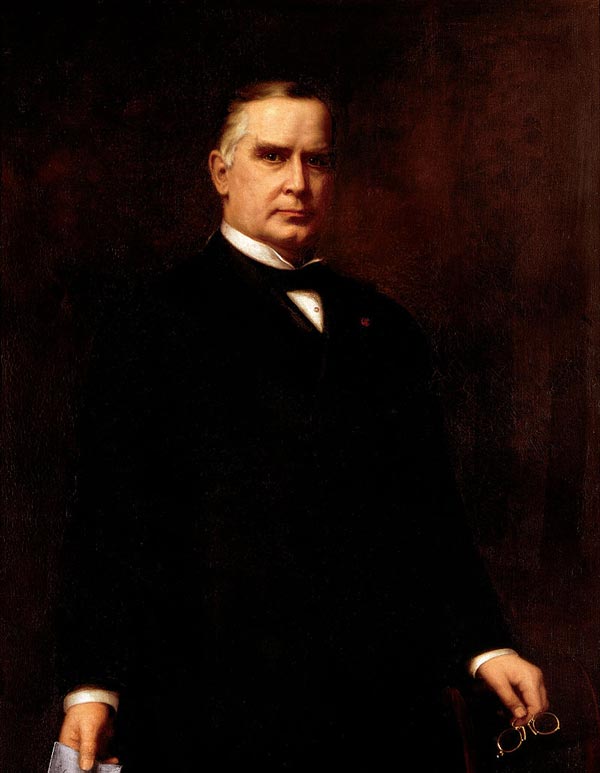
President William McKinley September 6, 1901
Republican, 25th President 1897-1901
President William McKinley was shot while attending the Pan-American Exposition on September 6, 1901. He was about six months into his second term and, like many other Presidents, enjoyed meeting with citizens in public. While shaking hands with people in the crowd, he was shot twice in the abdomen by Leon Czolgosz. Czolgosz became radicalized as an anarchist because of misfortune during the financial crisis of 1893 when he joined several different radical Socialist organizations.
After being shot, President McKinley lingered until September 14, when he died of gangrene. I wonder if today’s modern medicine would have saved his life and changed history.
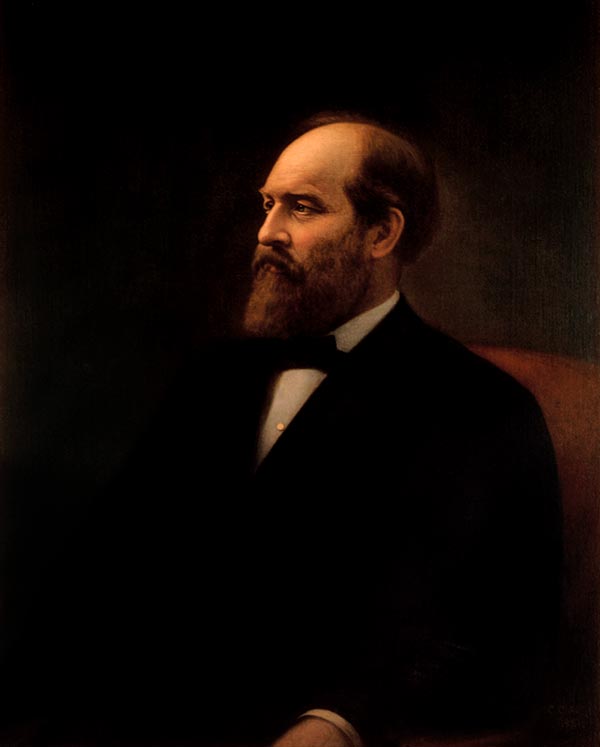
President James A. Garfield July 2, 1881
Republican, 20th President 1881-1881
President James A. Garfield was shot in the Baltimore and Potomac Railroad Station in Washington on July 2, 1881. His attacker, Charles J. Guiteau, lost his business and tried his hand at theology, the law, and lesser professions. He had become a societal dropout and had joined the Oneida Community. He supported President Grant, and when Grant lost the Republican nomination, Guiteau became even more fervent in his opposition to alternative candidates. Guiteau’s family had judged him to be insane and tried to have him institutionalized, but he escaped.
President Garfield was widely regarded as a highly intelligent war veteran who would have had a profound positive impact on the nation. He did not die immediately from his wounds and died weeks later from the poor knowledge of germs and medicine. When a second bullet could not be located, doctors repeatedly probed his body with their hands and instruments. Sterilization was an unknown practice, and it is likely he would have survived today. He died on September 19, 1881.
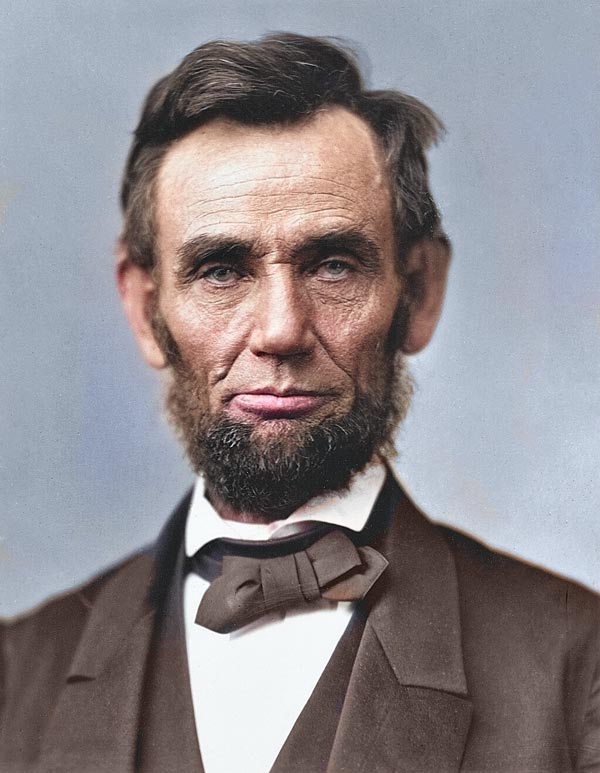
President Abraham Lincoln April 14, 1865
Republican, 16th President 1861-1865
Most regard Abraham Lincoln as one of our greatest Presidents. His shepherding of the nation through the Civil War and steadfast belief in the United States’ greatness served as a beacon of hope during and after the war.
His assassination has been so well documented that the events brought on by John Wilkes Booth are not worth commenting more here. Lincoln was the first President assassinated and set a precedent that was followed in other assassinations and attempted assassinations. Lincoln’s “sin” was that he believed in America’s greatness and wanted to preserve the Constitution and what we and the Founding Fathers believed.
Lessons and Patterns
In the coming days, we will learn a lot about our Country and the press as they seek to explain (or explain away) the events and what preceded them. We will also learn a lot about members of Congress and Agencies as many use this tragic event to their own benefit. We will learn about various members of the Government who stand up and speak honestly about what just happened and who have the courage to take responsibility for the failures or not.
Looking at this list of Presidents, three things stand out to me.
First, there are seven Republicans and two Democrats. This speaks volumes about how these two very different sets of citizens view change and how they resolve their differences. The assassins are deranged individuals with many issues that lead to their actions. However, they tend to align with one political group even though the issues of the day change.
Second, the Presidents who were attacked seem to have been men who wanted to protect the Union and the best of what we have. From Abraham Lincoln to Teddy Roosevelt to John Kennedy to Ronald Reagan, these men saw the greatness in our political system and citizens and wanted to preserve them for future generations.
Third, these men were all attacked for their principles and vision of the nation. Before President George W. Bush, the number of radicalized individuals was small. Today, our enemies and individuals without shared views of our nation and leaders have their views magnified by social media. Will we have the courage to reign in this destructive source of division?
Not Passing This Way Again
If there is an age advantage, it is recognizing patterns and understanding how they repeat. Unfortunately, political disagreements that lead to violence are one of those patterns. Assassination and near assassinations are the worst of these, and I hope I have seen my last.
Resources
Abraham Lincoln, Wikipedia, wikipedia.org, Last accessed July 16, 2024.
Assassination of James A. Garfield, Wikipedia, wikipedia.org, Last accessed July 16, 2024.
Assassination of William McKinley, Wikipedia, wikipedia.org, Last accessed July 16, 2024.
Attempted assassination of Gerald Ford in Sacramento, Wikipedia, wikipedia.org, Last accessed July 15, 2024.
Attempted assassination of Ronald Reagan, Wikipedia, wikipedia.org, Last accessed July 15, 2024.
Attempted assassination of Theodore Roosevelt, Wikipedia, wikipedia.org, Last accessed July 14, 2024.
Charles J. Guiteau, Wikipedia, wikipedia.org, Last accessed July 16, 2024.
Franklin D. Roosevelt, Wikipedia, wikipedia.org, Last accessed July 14, 2024.
Giuseppe Zangara, Wikipedia, wikipedia.org, Last accessed July 14, 2024.
John F. Kennedy, Wikipedia, wikipedia.org, Last accessed July 15, 2024.
US leaders who were killed or survived assassination attempts, By Kanishka Singh, Reuters, reuters.com, July 14, 2024.
William McKinley, Wikipedia, wikipedia.org, Last accessed July 16, 2024.